
 Lattia
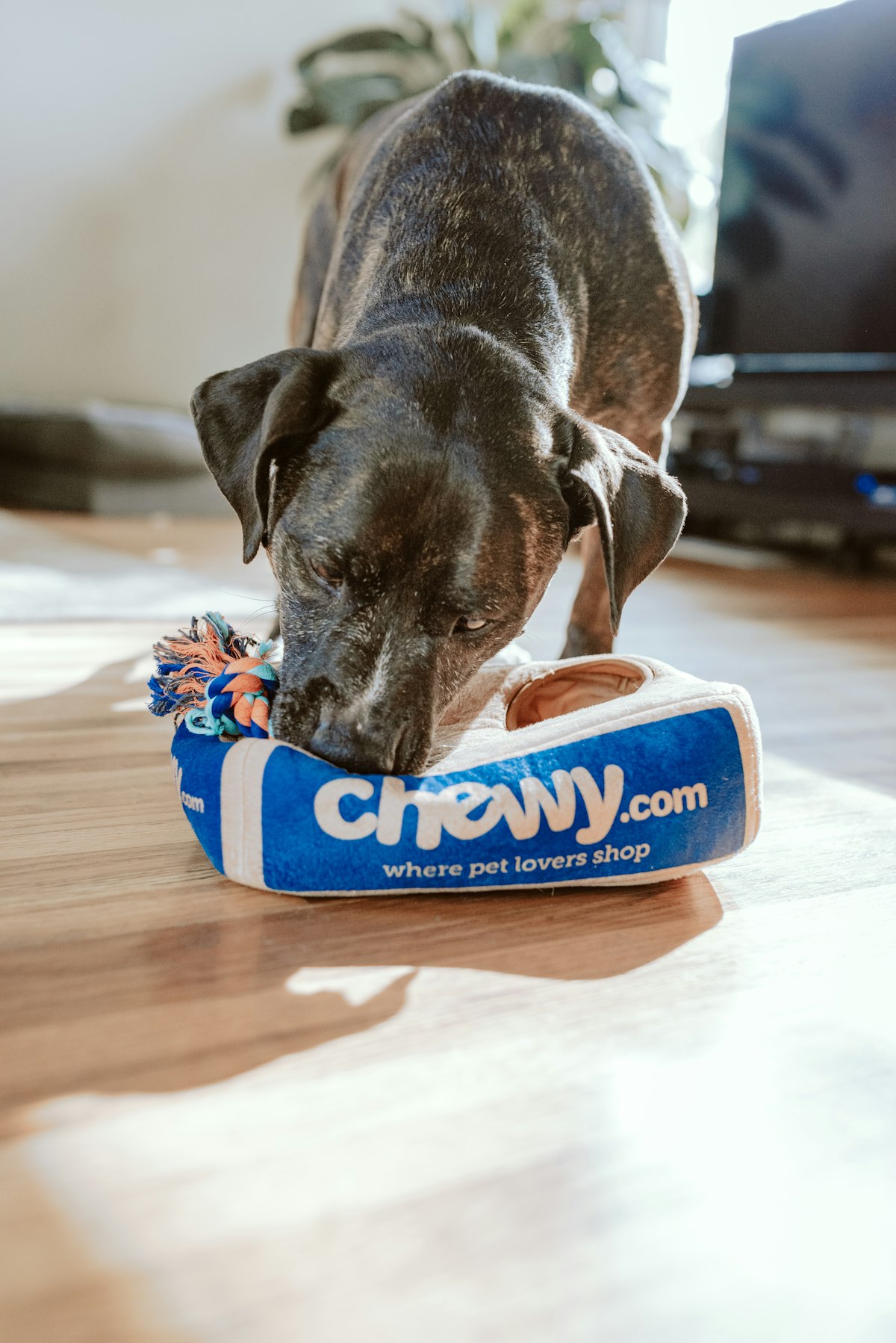
The Animal Rescue Fundraising Advantage
If you work at a food bank, a youth program, or an arts nonprofit and you've ever looked at an animal rescue's social media with envy — you're not imagining it. Animal rescue organizations consistently outperform other nonprofit categories in key fundraising metrics.
They have higher social media engagement rates. Their fundraising emails get opened more. Their peer-to-peer campaigns reach further. And their recurring donor programs grow faster than average.
It's tempting to chalk this up to cute animal photos — and yes, that helps. But the real reasons animal rescues excel at fundraising go much deeper than adorable puppies. They've stumbled into (or intentionally built) a set of practices that any nonprofit can learn from, regardless of your mission.
Here are the principles that make animal rescue fundraising so effective — and how to apply each one to your own organization.
Lesson 1: Every Beneficiary Has a Name and a Face
This is the biggest structural advantage animal rescues have, and it's the one most other nonprofits fail to replicate.
Every animal in a rescue has a name, a photo, a personality description, and a story. "Meet Biscuit. He was found wandering a highway in August, underweight and scared. After two months of foster care and a lot of love, he's ready for his forever home."
That's a complete narrative arc in three sentences: problem, intervention, hope. And it happens for every single animal in the organization — which means the rescue has a constant, renewable supply of stories to tell.
Most other nonprofits struggle with storytelling because they treat it as a special effort — something to do for the annual report or a fundraising email. Animal rescues tell stories every day because their operations naturally produce them.
How to steal this
- Name your beneficiaries (with permission and privacy protections). "We served 400 families" is a statistic. "Maria came to us with her two kids and nowhere to sleep" is a story.
- Create a story for every touchpoint. Every new program participant, every milestone, every outcome is a story waiting to be told. Build a story bank and add to it weekly.
- Give supporters a character to follow. Rescues do this with individual animal profiles. You can do it with a program participant's journey (with consent), a volunteer spotlight, or even a day-in-the-life of your organization.
Lesson 2: Emotional Specificity Over Institutional Language
Animal rescues don't write like institutions. They write like people who are passionate about animals. Their social posts use first-person voice, emotional language, and specific details:
"Biscuit cried the whole first night. He didn't know what a soft bed was. This morning he fell asleep with his head on his foster mom's lap and snored for three hours. We're not crying, you're crying."
Compare that to a typical nonprofit post: "We are pleased to announce the successful completion of our Q1 housing stabilization program, which served 47 individuals across three counties."
Both organizations are doing important work. But one sounds like a human who cares deeply, and the other sounds like a press release.
How to steal this
- Write in first person. "I have to tell you about something that happened this week" beats "The organization is pleased to share" every time.
- Include sensory details. What did the room look like? What did someone say? What was the moment that made your staff member stop and think "this is why I do this"?
- Let yourself be emotional. Donors give because they feel something. If your communications don't make you feel something when you write them, they won't make donors feel anything when they read them.
Lesson 3: The "Before and After" Is Built Into the Model
Every rescue animal has a before state (scared, hurt, abandoned) and an after state (healthy, happy, adopted). This natural before-and-after arc is the most powerful storytelling structure in fundraising — and rescues get it for free.
The before-and-after photo is the single most shared, most liked, most commented-on content format in nonprofit social media. It's visual proof that donations work.
How to steal this
- Document the "before." When someone enters your program, take a photo (with consent). Record where they started. Capture the baseline.
- Document the "after." When they graduate, achieve a milestone, or reach a goal — capture that too.
- Share the transformation. Side-by-side images, timeline stories, "then and now" posts. This format works for housing (apartment vs. car), education (first day vs. graduation), food security (empty fridge vs. full pantry), and virtually any other cause.
Lesson 4: Foster Networks Are Free Peer-to-Peer Fundraising
Here's something most people outside the rescue world don't realize: foster families are the most powerful fundraising channel animal rescues have — and most rescues don't even think of them that way.
When a foster family takes in an animal, they become emotionally invested advocates. They post about the animal on their personal social media. Their friends and family follow the animal's journey. When the rescue runs a fundraiser, the foster family shares it with their network — and their network gives because they've been watching Biscuit's recovery for weeks.
This is peer-to-peer fundraising happening organically, without a formal campaign.
How to steal this
- Identify your "foster families" — people who experience your mission up close. Volunteers, program mentors, event hosts, board members — anyone who has a personal connection to a specific part of your work.
- Give them something to share. When a volunteer helps a family, give that volunteer a story (with consent) they can share on their social media. "This is the family I helped move into their apartment last week. If you want to support this work, here's how."
- Make sharing easy. Pre-written social posts, downloadable graphics, and direct links to your donation page. The lower the friction, the more people share.
Lesson 5: Urgency Is Real (Not Manufactured)
Rescue organizations deal in genuine urgency every day. An animal needs emergency surgery. A shelter is at capacity and will start euthanizing. A litter of kittens needs foster homes by Friday. This urgency is real, specific, and time-bound — and it drives action.
Most other nonprofits manufacture urgency: "Year-end deadline!" "Only 3 days left!" These work to a point, but donors can tell the difference between real urgency and a marketing countdown.
How to steal this
- Find the real deadlines in your work. The grant match that expires. The program that starts next month and still needs funding. The family that needs help this week. Real urgency doesn't need exclamation points — it speaks for itself.
- Be specific about consequences. "If we don't raise $3,000 by Friday, we can't order supplies for the summer program and 40 kids lose their spot" is real urgency. "Please give before our campaign ends" is not.
Lesson 6: The Community Is the Product
The most successful animal rescues don't just raise money — they build communities. Their Facebook groups have thousands of members sharing adoption updates, fostering tips, and photos of their adopted pets years later. Their email lists feel like newsletters from a friend, not solicitations from an organization.
This community creates a flywheel: engaged community members share content, which attracts new followers, who become donors, who become volunteers, who become advocates, who attract more followers.
How to steal this
- Create spaces for your supporters to connect with each other — not just with your organization. A Facebook group, a monthly meetup, a volunteer Slack channel.
- Celebrate your supporters publicly. Donor spotlights, volunteer features, board member profiles. Make people feel like they belong to something.
- Share "after" stories from the community. Rescues share adoption anniversary photos. What's your version? A program graduate's update. A donor's story of why they give. A volunteer's 100th shift.
Lesson 7: Merchandise Sells When It's Identity-Based
Animal rescue merchandise — t-shirts, tote bags, bumper stickers, pet bandanas — sells because it lets supporters signal their identity: "I'm a rescue dog person." That identity is specific, emotional, and social. People want to be seen wearing it.
Most nonprofit merchandise fails because it's organization-branded rather than identity-branded. Nobody wants a t-shirt that says "Springfield Community Development Corporation." But they might want one that says "I feed my neighbors" or "Reading changes everything" or "Every kid deserves a coach."
How to steal this
- Design merchandise around identity, not your logo. What would your supporters proudly wear? What statement captures why they care about your cause?
- Make it high quality. A $28 soft cotton tee that someone actually wears is worth more (in revenue and in marketing) than a $12 scratchy shirt that lives in a drawer.
- Sell mission-connected products. A literacy nonprofit selling beautiful tote bags with book quotes. An environmental org selling reusable bottles. The product should feel connected to the cause.
Putting It All Together
The reason animal rescues excel at fundraising isn't because animals are more sympathetic than humans or other causes. It's because the rescue model naturally produces the ingredients that great fundraising requires: named characters, emotional stories, visual transformations, built-in advocates, real urgency, and passionate communities.
Every one of those ingredients can be intentionally built into any nonprofit's fundraising program. You just have to do it on purpose instead of waiting for it to happen naturally.
Start with one lesson from this list. Apply it for 30 days. See what changes. Then add another. Within a year, your fundraising communications will have the energy and engagement that makes rescue organizations the envy of the nonprofit world.
And if you happen to run an animal rescue — keep doing what you're doing. You're teaching the rest of the sector how it's done.